Sharp Contrast in Global Energy Storage Industry: European Enterprises Collapse While China’s Sector Booms
Recently, a local European energy storage battery enterprise has filed for bankruptcy, and many star projects have fallen into bankruptcy crises one after another, severely hindering the progress of local independent energy storage industrialization. In stark contrast, relevant official data of China’s energy storage market shows that the number of domestic energy storage enterprises keeps surging, reaching 378,800 in total. The whole industry maintains steady scale expansion and high-speed development momentum. This striking cold-hot contrast draws two completely different development paths for the global energy storage industry.
Another European Energy Storage Giant Goes Bankrupt, Dragged Down by Heavy-Asset Long-Cycle Operation
Foreign media reported that on May 6, the board of directors of Norway’s Morrow Batteries ASA formally decided to apply to the court for bankruptcy liquidation procedures, with its subsidiaries Morrow Technologies AS and Morrow Industrialization Center AS making the same decision simultaneously. This has become another landmark failure case in the industrialization process of European local energy storage batteries, casting a shadow over Europe’s independent local battery development strategy.
Founded in 2020, Morrow Batteries once achieved rapid development and built Europe’s first gigawatt-level LFP battery factory, focusing on lithium iron phosphate batteries and high-voltage LNMO batteries. Its products are widely applied in energy storage, new energy vehicles, off-road machinery and other mainstream demand scenarios. The enterprise boasted strong capital backing, having obtained more than 4.6 billion Norwegian kroner in funds and resource support since its establishment, with solid support from industrial capitals and state-owned institutions including Siemens Financial Services, ABB and Norway’s National Climate Fund, as well as numerous special government grants and industrial supporting resources.
Industry insiders analyze that the bankruptcy stems from multiple complex reasons, and the core reason lies in the inherent heavy-asset and long-cycle industrial attributes of the energy storage battery sector. Massive continuous capital investment is required in early production line construction, technological iteration research and raw material reserve, while the cycle of capacity release, product delivery and capital return is extremely long. The continuously deteriorating cash flow of Morrow Batteries failed to sustain daily operation. Besides, key financing negotiations could not be finalized before the capital chain broke. Although the management negotiated with original shareholders, new investors and public institutions on equity capital injection, debt financing and structural restructuring, no long-term sustainable operation plan was confirmed due to limited liquidity, leading to the final shutdown.
The enterprise stated that its core technologies and assets still possess long-term practical value, and market demand for battery energy storage keeps expanding. Relevant assets can still be revitalized under proper conditions and are expected to become an important part of modern European industry. Nevertheless, this bankruptcy is not an isolated incident. Previously, Swedish star battery enterprise Northvolt also fell into bankruptcy restructuring due to broken capital chain and insufficient delivery capacity.
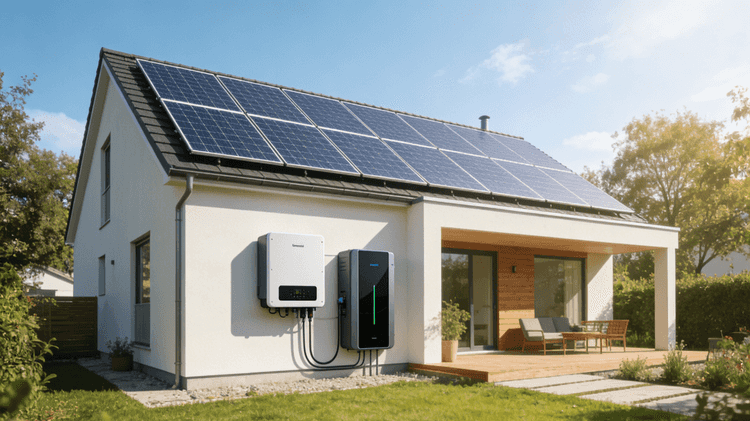
Generally speaking, local European battery enterprises are universally plagued by imperfect supply chains, high manufacturing costs, insufficient mass production experience and insufficient capital patience. Even with favorable policy dividends, they cannot resist price competition and capacity impact from the global market. In the household energy storage field, European markets are in urgent need of cost-effective and stable energy storage products, among which <b>Home storage all in one recommendation</b>, <b>Auto switch home storage for power cut</b> and other practical household energy storage solutions are in huge market gap, which local European brands are unable to fill efficiently.

China’s Energy Storage Market Thrives: 378,800 Related Enterprises Flood into the Industry
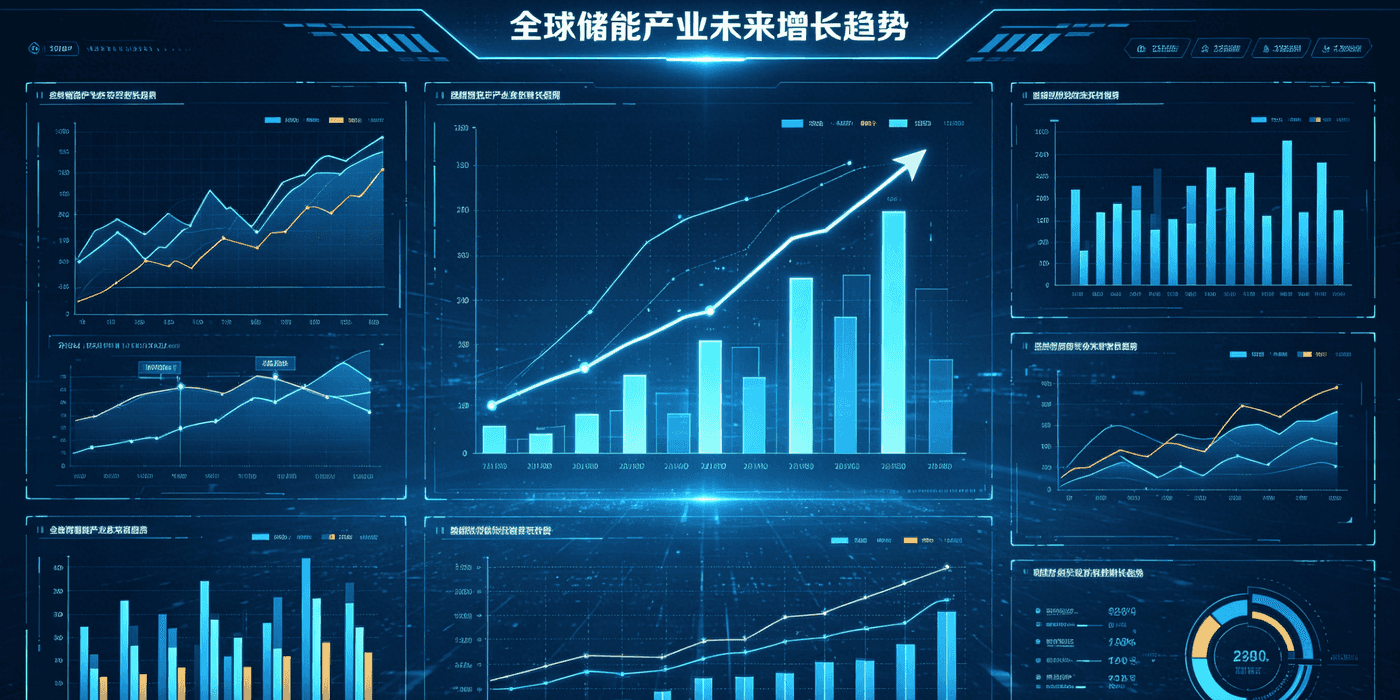
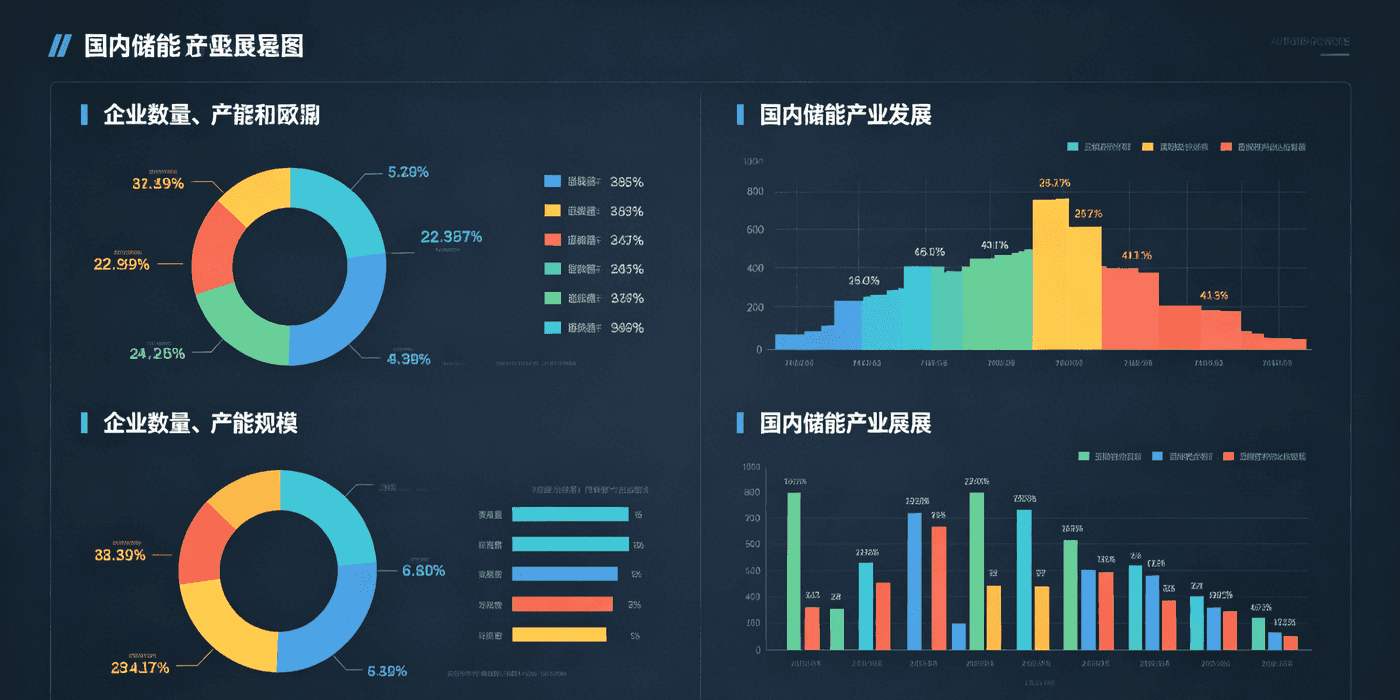
Forming a sharp contrast with the continuous bankruptcy of European energy storage enterprises, China’s energy storage industry maintains a high-speed expansion trend with rising market players and booming industrial vitality. According to the latest data from Qichacha, as of May 8, 2026, the total number of domestic energy storage-related enterprises in China has hit 378,800, and the annual registration volume has risen steadily in the past decade, showing distinct phased development characteristics.
The development of China’s domestic energy storage industry can be divided into three clear stages. The period from 2016 to 2020 was the industry cultivation stage with limited market awareness and industrial scale, during which the annual newly-registered enterprises rose slowly from 6,400 to 10,500 with mild development pace. From 2021 to 2023, the industry ushered in explosive growth as market demand was fully released, and the annual registration volume soared from 15,000 to 78,900, hitting a peak growth rate close to 200% in 2022. After 2024, the industry bid farewell to blind extensive growth and stepped into rational expansion. Though the growth rate slowed down, the overall industrial scale kept expanding. Notably, the annual registration volume of energy storage enterprises exceeded 100,000 in 2025 with a year-on-year increase of 16.78%, and 37,300 new enterprises have been newly registered in China in 2026 so far.
In terms of enterprise establishment years, China’s energy storage industry features obvious youthfulness with sufficient innovation vitality yet insufficient industrial accumulation. Nearly 70% of domestic energy storage-related enterprises were founded within the past three years, among which enterprises with 1-3 years of operation account for 39.78%, newly-established enterprises within one year take up 28.29%, while mature enterprises with over ten years of development only occupy 6.30%. This fully proves the booming trend of the energy storage track. Driven by new energy policies and surging market demand, massive capitals and entrepreneurs have poured into this track rapidly.
However, the overall young age of market players also exposes industrial drawbacks. Most newly-entered enterprises lack long-term technical accumulation, mature mass production experience and complete supply chain systems, resulting in shallow industrial foundation, and laying hidden dangers for homogeneous competition, surplus low-end production capacity and accelerated industrial reshuffle.
In the segmented energy storage battery track, the growth momentum is equally prominent. China now has 136,000 energy storage battery-related enterprises. The number of newly registered energy storage battery enterprises reached 38,000 in 2025, a year-on-year increase of 18.2%, setting a new decade-high record, and 14,000 relevant enterprises have been registered in China in 2026 as of May 9.
In terms of regional layout, China’s energy storage industry has formed a clear clustered development pattern with obvious regional competitive advantages. Relying on complete manufacturing industrial chains, mature supporting facilities and favorable policies, East China has become the core gathering place of domestic energy storage enterprises, accounting for 33.76% of the total stock enterprises and 35.3% of newly registered energy storage battery enterprises in 2025, ranking first nationwide. South China and North China follow closely with steadily growing industrial scale, while Northeast and Northwest China have relatively fewer energy storage enterprise layouts, and the regional industrial agglomeration effect keeps strengthening.
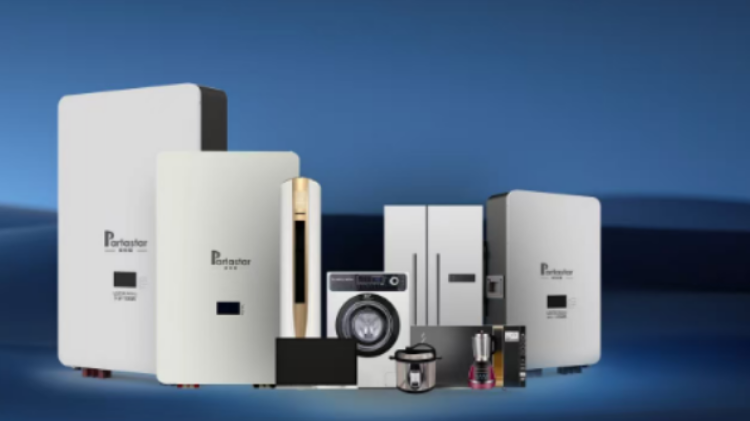
Chinese energy storage manufacturers have formed complete product matrices covering full-scenario household energy storage demands, including mainstream hot-selling products such as <b>Home stacked lithium battery storage</b>, <b>Expandable stacked home energy storage</b>, <b>Wall-mounted solar storage all in one</b>, high-capacity products like <b>15kWh solar battery storage home China manufacturer</b>, villa dedicated solutions including <b>Off grid solar battery storage for villa China factory</b>, as well as cost-effective mainstream models such as <b>China factory wall mount solar battery for home</b>, <b>Residential solar energy storage China factory direct</b> and space-saving types like <b>Balcony solar home battery storage China manufacturer</b>. These high-quality, cost-effective household energy storage products independently developed and produced by Chinese factories perfectly make up for the supply shortage in European and global household energy storage markets, and can perfectly realize the core function of <b>Auto switch home storage for power cut</b>, winning wide recognition from global buyers.
Conclusion
Looking at the differentiated development status of the global energy storage track, its essence lies in the game between the heavy-asset and long-cycle industrial attributes of energy storage industry and the matching degree of market capital, production capacity supporting facilities and industrial development rhythm. At present, the internal bipolar development trend of the energy storage industry is increasingly prominent.
On one hand, enterprises lacking complete industrial chain supporting capabilities, weak cost control ability and facing severe cash flow pressure will gradually withdraw from the market even with advanced technologies, sufficient orders and policy support, unable to resist periodic industrial risks. On the other hand, driven by continuously rising new energy demand, numerous market players keep entering the industry to expand industrial scale and activate market vitality. Meanwhile, problems including homogeneous product convergence and vicious low-price competition have emerged alongside rapid expansion.
In the future, the global energy storage industry will bid farewell to extensive scale-oriented growth and fully enter the stage of industrial reshuffle and integration. Inefficient backward production capacity will be continuously eliminated, high-quality industrial assets will be accelerated integrated, and core technological research strength and precise cost control capability will become the core competitive barriers for enterprises to survive and develop. As the most stable and mature production and supply base of global household energy storage products, Chinese energy storage factories will continue to rely on diversified superior products represented by the above hot-selling household energy storage models to occupy a larger share in the global civilian energy storage market.