Today we discuss a hardcore yet highly relevant topic: energy storage.
You may think energy storage is far from daily life—just a “big battery” hidden in wind farms or factory corners, with little to do with routine life.
But here is the key conclusion: energy storage is undergoing a strategic leap from supporting role to core protagonist. It is not a “backup” for the energy system, but the heart of the future power grid.
This transformation will completely reshape how we use electricity, restructure industries, and even change the living costs of ordinary people.
Let’s start with history to understand why energy storage has evolved from “optional” to “indispensable”.
01 The Past and Present of Energy Storage: From Neglect to Critical Lifeline
In the early days, energy storage had an awkward position: it was merely a supporting accessory for new energy.
Back then, wind and solar power were rising stars, but suffered a fatal flaw: no wind, no sunlight, no power.
At noon, solar panels generate heavily while people are at work and electricity is wasted. At night, demand surges but solar stops, forcing the grid to rely on coal-fired power. This mismatch greatly weakened the value of renewable energy.
The solution? Store surplus power and discharge when needed.
Thus, energy storage emerged.
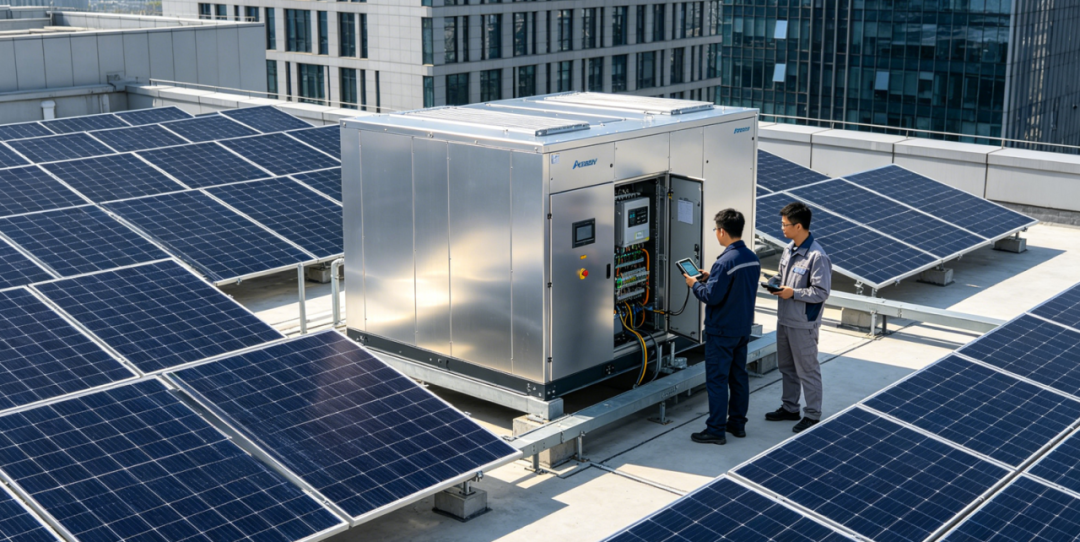
At first, it was only an auxiliary tool. Renewable energy projects were required to allocate storage, while independent storage played a backup role and was even seen as an unnecessary cost.
The turning point came in 2024. According to the China New Energy Storage Development Report (2025) by the National Energy Administration (NEA):
- In 2024, the annual equivalent utilization hours of new energy storage reached 911 hours, exceeding 1,000 hours in Zhejiang, Jiangsu and other provinces.
- Independent and shared storage accounted for nearly 46% of installed capacity, becoming a core regulating force of the power system.
Why did it become so critical? Because the power grid reached its limit.
In 2024, 20 provincial power grids hit record load peaks. Traditional thermal power responds slowly and pollutes; pumped hydro requires long construction and strict siting. In contrast, energy storage—the “super power bank”—supports millisecond-level peak shaving and frequency regulation, becoming essential for power supply security.
More importantly, the market logic changed.
In 2025, cumulative installed capacity of new energy storage exceeded 144.7GW, up 85% year-on-year. Independent storage drove most growth, while industrial & commercial (I&C) user-side storage soared 192%.
Energy storage is no longer an accessory to renewables, but a rigid necessity for grid security, user cost reduction and industrial upgrading.
This is the first leap: energy storage has evolved from renewable accessory to stabilizer of the new power system.
02 Energy Storage Scenarios: Three Core Tracks
To understand energy storage value, we must look at its real-world applications. Three major scenarios are reshaping the energy landscape.
1. Grid-Side: From Backup to Mainstay
Grid-side energy storage serves as the stabilizer of the entire power system.
Previously, the grid relied on thermal and hydropower for regulation. Today, independent and shared storage lead the way. Jiangsu deployed China’s largest provincial grid storage dispatch in 2024, with 4.5GW capacity boosting supply security.
Core functions:
- Peak shaving & valley filling: Store during low demand, discharge during peaks to relieve grid congestion.
- Frequency & voltage regulation: Millisecond response to stabilize fluctuations from renewable integration.
- Congestion mitigation: Reduce grid upgrade costs by storing power at bottleneck nodes.
By 2025, the 15th Five-Year Plan confirms grid-side storage will exceed 100GW, representing a market worth over 500 billion yuan.
2. User-Side: From Cost to Profit
User-side energy storage acts as a hidden profit engine for enterprises.
Previously, I&C users had to buy expensive peak power and waste valley power. With energy storage, they charge during valley hours and discharge at peaks to arbitrage price differences.
Real example: A tech park in Jiangsu invested 2 million yuan in a PV-storage-DC-flex system (2.15MWh storage + rooftop PV), saving 848,000 yuan annually with a payback period of only 3.5 years.
Data shows: In the first half of 2025, I&C storage reached 13.21GW, surging 192% year-on-year, led by Jiangsu, Zhejiang and Guangdong.
Logic: peak-valley spread + demand response + carbon benefits turn storage from cost center to profit center.
3. Renewable Integration Side: From Mandate to Standard
Energy storage has become the best partner of wind and solar power.
Previously, storage was mandatory for grid connection. Today, policies no longer require it, yet storage remains standard—without it, renewables cannot be fully consumed.
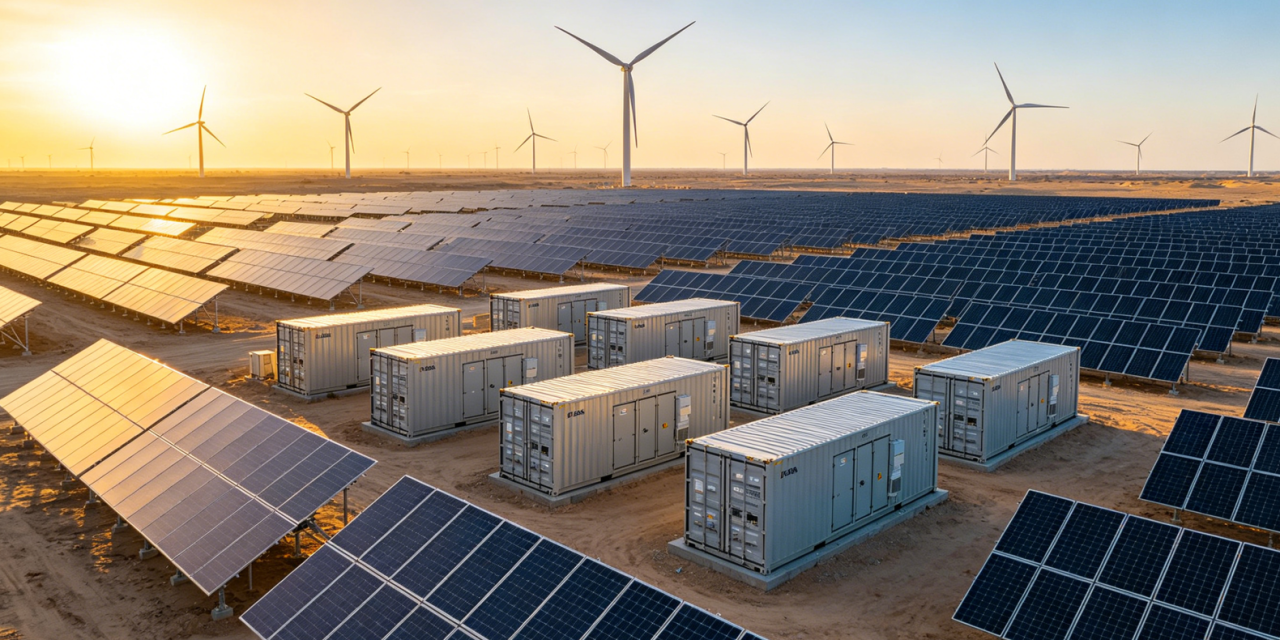
In 2024, renewable-integrated storage accounted for about 42% of installed capacity. In Xinjiang and Xizang, equivalent utilization hours exceeded 1,000, effectively solving curtailment issues.
Core role: Smooth output fluctuations, improve renewable utilization, and make wind and solar reliable baseload power.
These three scenarios form the foundation of today’s energy storage market. Yet the real revolution lies ahead.
03 Future Energy Storage: Four Transformations Reshaping the Ecosystem
If today is the large-scale deployment phase, the next 3–5 years will enter an ecosystem restructuring phase. Energy storage will upgrade from single-function device to system-level core, driving four major changes.
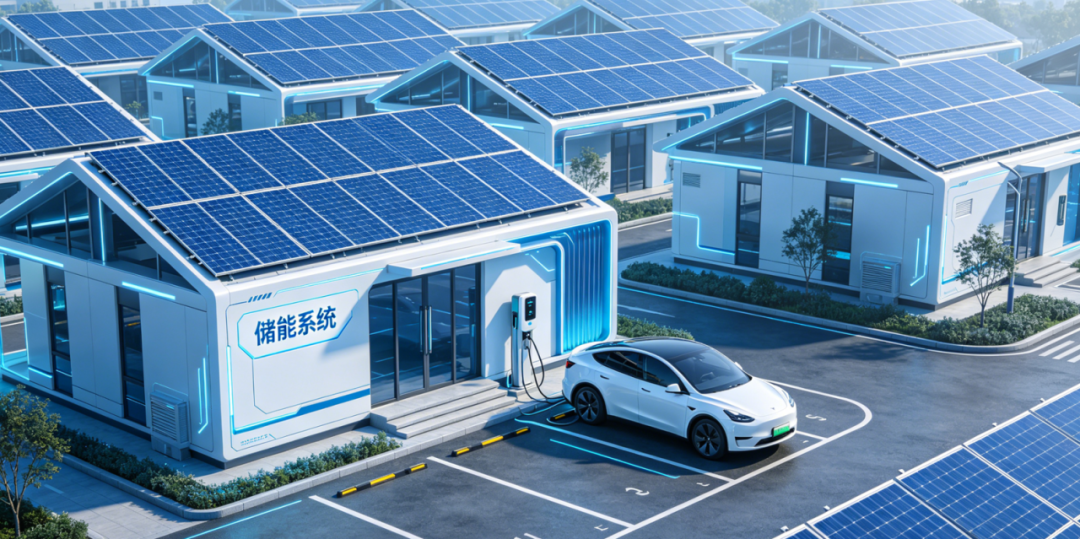
1. PV-Storage-DC-Flex: Building Energy Revolution
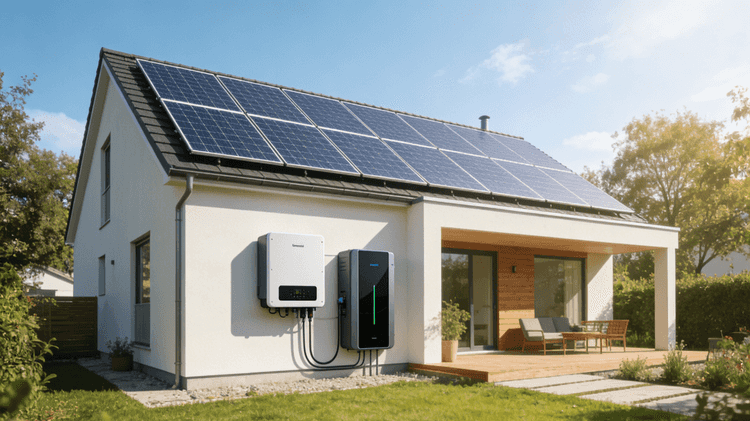
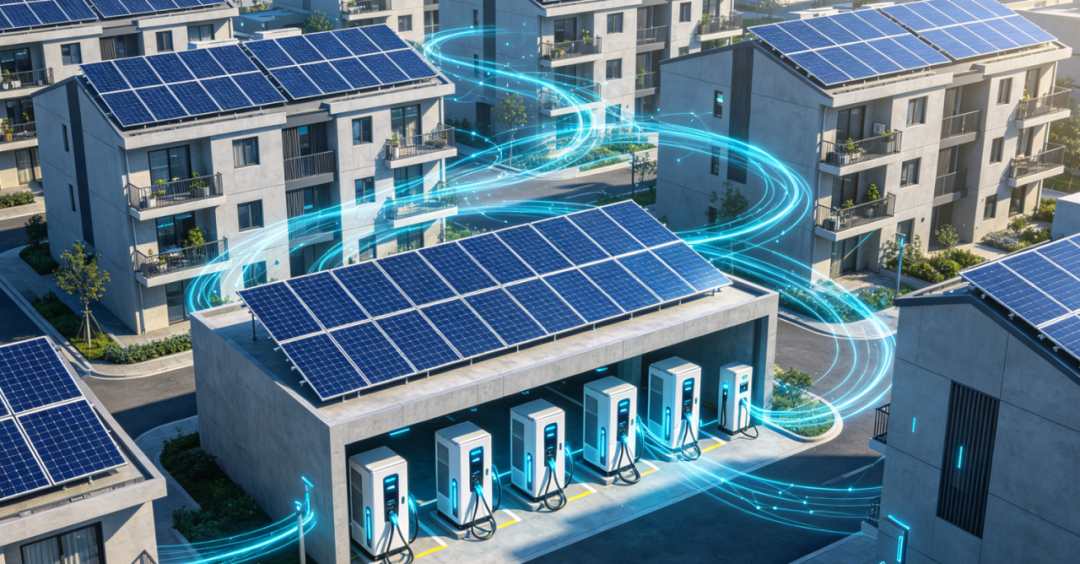
Future buildings will become super energy units that generate, store and use their own power.
Traditional power undergoes AC-DC conversion with only 85% efficiency. PV-Storage-DC-Flex uses “PV DC → Storage DC → Load DC”, lifting efficiency to over 95%.
With official standards forthcoming, this model will boom, turning buildings from energy consumers into energy producers.
2. Virtual Power Plants (VPP): Aggregated Grid Regulation
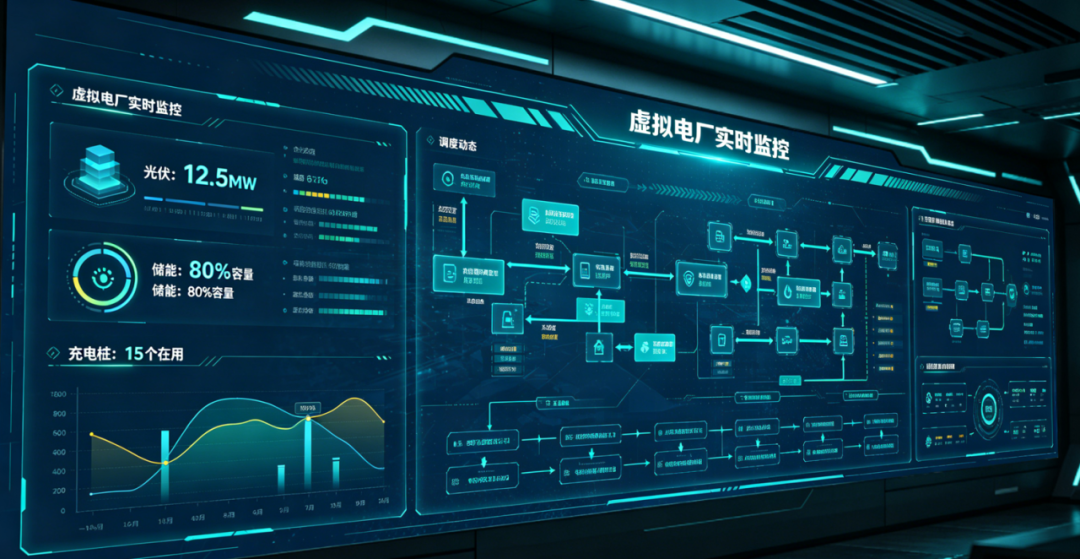
A VPP is not a physical plant, but an intelligent platform that aggregates distributed PV, storage, EV chargers and industrial loads to act as one large virtual plant for grid dispatch.
VPPs will become urban emergency regulation pools, avoiding blackouts during extreme weather and monetizing distributed resources.
3. Long-Duration Energy Storage (LDES): From Hours to Days/Seasons
Most current storage supports 2–4 hours of short-duration use. Future LDES will solve multi-day and cross-seasonal supply.
Technologies include compressed air, flow batteries, gravity storage and hydrogen storage. CNESA forecasts average duration will rise to 3.47 hours by 2030.
4. Multi-Energy Complementation: Integrated “Source-Grid-Load-Storage”
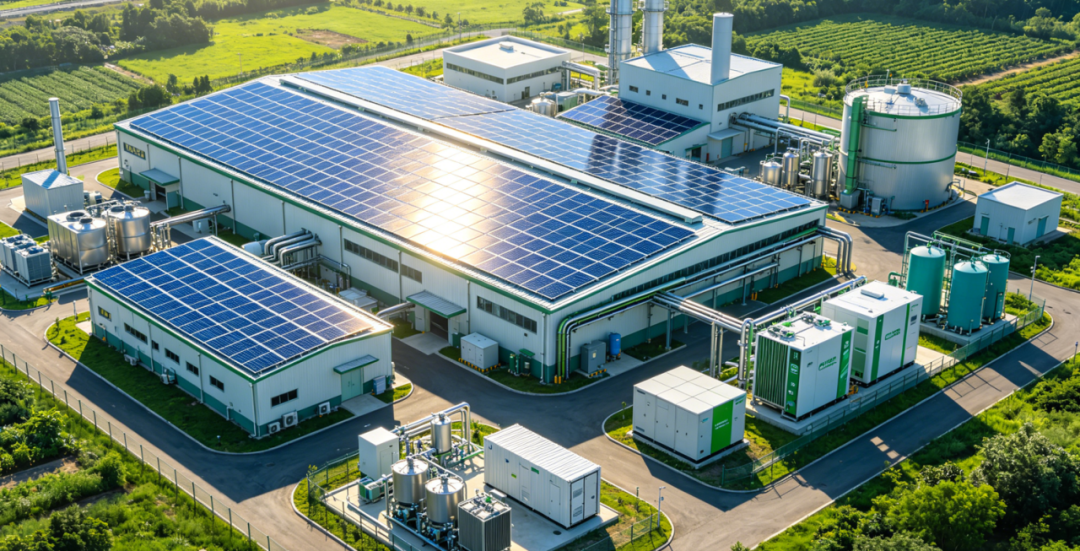
Future energy systems will integrate PV, wind, storage, hydrogen and geothermal energy into a self-sufficient ecosystem.
Data centers and industrial parks will adopt storage-PV-hydrogen systems, cutting O&M costs and improving reliability.
04 Why Energy Storage Becomes the Energy Core
Three core logics explain its rise:
- Necessity of energy transition: Wind and solar are intermittent; storage is mandatory for large-scale renewable adoption.
- Bottom line of grid security: High renewable penetration increases volatility; storage provides millisecond stability.
- Explosive market value: Revenue channels from arbitrage to ancillary services mature, lifting ROI and attracting capital.
Energy storage is not transitional—it is the core carrier of the energy revolution.
05 Impact on Daily Life
Energy storage is changing everyone’s life:
- Cheaper, more stable power supply, fewer blackouts
- Wider access to clean, affordable green electricity
- Industrial restructuring and new job opportunities
- Individual households can sell power back to the grid via VPPs and become “energy producers”
06 Conclusion: Energy Storage Is the Key to the Energy Revolution
From renewable accessory to power grid core, from simple power storage to multi-energy ecosystem, energy storage is rewriting energy history.
It is not just a “big battery”—it connects renewables, secures the grid, empowers industries and benefits people’s lives.
In the next 10 years, energy storage will penetrate energy, construction, transportation and industry like the internet once did, reshaping society.
We are at the starting point of the energy storage revolution. It concerns energy security, carbon neutrality, and quality of life for all.
Energy storage is the key to the energy revolution.And that key is already in the lock, ready to open a brand-new energy era.