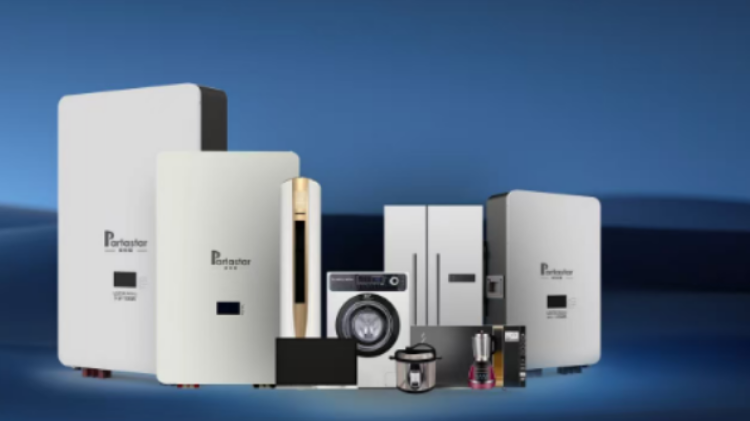
As more and more RV owners seek to enhance their mobile lifestyle with advanced power Smart Storage Solutions, the idea of replacing traditional lead-acid batteries with lithium Stackable Home Battery has gained significant traction. Lithium Stackable Home Batterys offer numerous advantages over their lead-acid counterparts, such as longer lifespan, higher energy density, and faster charging. However, before making the switch, it is important to consider various factors and understand the implications of replacing your RV battery with a lithium Stackable Home Battery. This article aims to provide a clear viewpoint on whether it is feasible to replace your RV battery with a lithium Stackable Home Battery.
Understanding Lithium Stackable Home Batterys for RVs
Lithium Stackable Home Batterys have revolutionized the way we store and utilize electrical energy. They are lighter, more compact, and provide a higher usable capacity compared to traditional lead-acid batteries. These characteristics make them an attractive option for RV owners looking to optimize their power systems.
Benefits of Lithium Stackable Home Batterys for RVs
1. Longer Lifespan: Lithium Stackable Home Batterys typically have a longer lifespan compared to lead-acid batteries. While lead-acid batteries may last for 3-5 years, lithium Stackable Home Batterys can last up to 10 years or more, depending on usage and maintenance. This longevity can result in long-term cost savings.
2. Higher Energy Density: Lithium Stackable Home Batterys offer a higher energy density, allowing them to store more energy in a smaller and lighter package. This is particularly beneficial for RV owners who have limited space and weight capacity in their vehicles.
3. Faster Charging: Lithium Stackable Home Batterys can be charged at a faster rate compared to lead-acid batteries. This means you can recharge your RV battery more quickly, reducing downtime and allowing you to get back on the road faster.
4. Depth of Discharge: Lithium Stackable Home Batterys can be discharged to a greater extent without negatively impacting their lifespan. This provides RV owners with a larger usable capacity, allowing for more extended periods of off-grid camping without the need for frequent recharging.
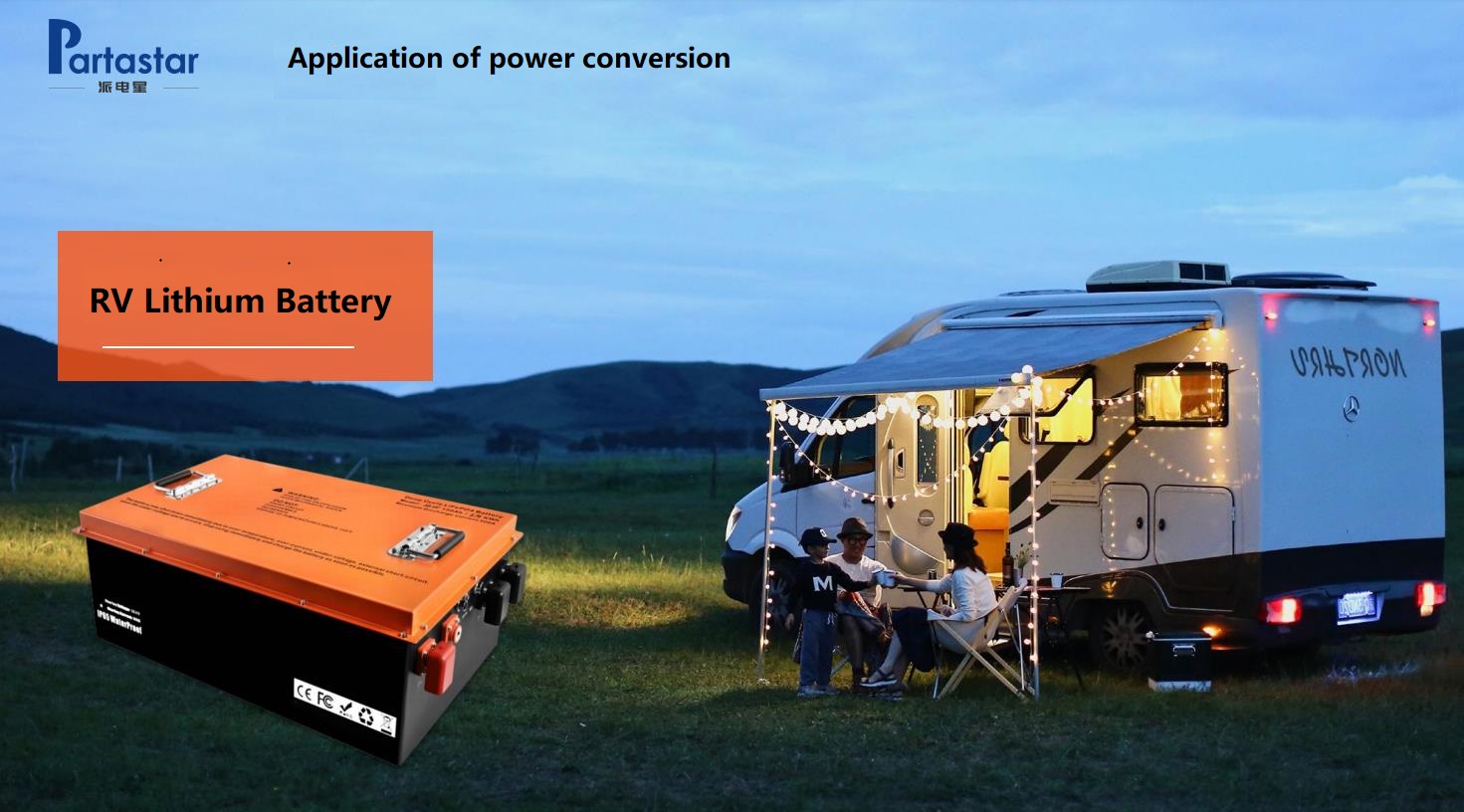
Considerations before Replacing Your RV Battery with a Lithium Stackable Home Battery
While the benefits of lithium Stackable Home Batterys are enticing, it is essential to consider the following factors before replacing your RV Stackable Home Battery:
1. Cost: Lithium batteries are generally more expensive than lead-acid batteries. The initial investment for a lithium battery can be significantly higher. However, it is important to consider the long-term cost savings due to their extended lifespan and increased efficiency.
2. Compatibility: RV electrical systems are typically designed for lead-acid Stackable Home Batterys. Before replacing your RV Stackable Home Battery with a lithium Stackable Home Battery, it is crucial to ensure compatibility with your existing system. Lithium Stackable Home Batterys may require additional components, such as a battery management system (BMS) or an inverter, to ensure proper operation.
3. Charging Infrastructure: Lithium Stackable Home Batterys have specific charging requirements. RV owners must ensure their charging infrastructure is compatible with lithium Stackable Home Batterys. This may involve upgrading the existing charger or installing a new charging system that supports lithium Stackable Home Battery technology.
4. Safety Considerations: While lithium Stackable Home Batterys are generally safe, it is crucial to understand and follow proper handling and storage procedures. Lithium Stackable Home Batterys have different safety considerations than lead-acid batteries, such as temperature limitations and protection against overcharging or over-discharging.
Replacing your RV battery with a lithium Stackable Home Battery can offer several advantages, including longer lifespan, higher energy density, and faster charging. However, it is important to carefully consider the cost, compatibility, charging infrastructure, and safety considerations before making the switch.
The decision to replace your RV battery should be based on your specific needs, budget, and technical requirements. Consulting with a knowledgeable professional or seeking advice from reputable RV Stackable Home Battery suppliers can provide valuable insights and guidance.
Ultimately, the choice to replace your RV Stackable Home Battery with a lithium Stackable Home Battery depends on your priorities and goals. If the benefits outweigh the initial investment and necessary modifications, transitioning to a lithium Stackable Home Battery can enhance your RV experience by providing increased power efficiency and reliability.